

Blog
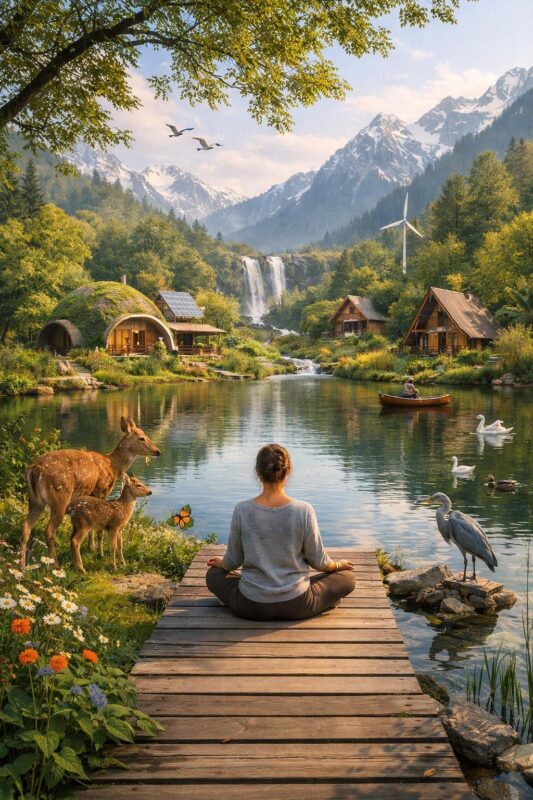
The Symbiotic Pulse: Why Human-Nature Co-existence is Non-Negotiable
- adventure_admin
For centuries, humanity has operated under the delusion of “conquest”—the idea that nature is a resource to be managed rather than a system to be joined. However, the modern era has made one thing clear: we are not neighbours to the ecosystem; we are its inhabitants. The survival of our species is inextricably linked to the health of the planet.
The Myth of Separation
We often view “nature” as something found in national parks or David Attenborough documentaries. In reality, nature is the invisible infrastructure supporting every breath and transaction.
- Biological Dependency: Every lungful of oxygen and drop of water is a gift from a functioning ecosystem.
- Human “Owns” EARTH: Humans are but a part of Nature. Humans actions impacts Nature just as how Nature affects our species, evolution, as well as species survival.
- Mental Equilibrium: Humans possess an innate tendency to seek connections with nature. Studies consistently show that green spaces reduce cortisol levels and improve cognitive function.
The Cost of Imbalance
When we prioritize extraction over equilibrium, the feedback loops are devastating. Biodiversity loss isn’t just about losing beautiful species; it’s about the unraveling of the “web of life.”
- Zoonotic Diseases: As we encroach on wild habitats, the barrier between animal pathogens and humans thins, increasing the frequency of pandemics. Swine Flu, Avian Flu, and the most recent Covid pandemic are some examples
- Climate Regulation: Forests and oceans act as carbon sinks. Without them, the thermal balance of the Earth shifts, leading to the extreme weather patterns we see today. If one might have noticed, the seasonal changes has literally shifted backward over the past decade.
- Food Security: The decline of pollinators, Over fishing, Deforestation and rapid urbanisation had changed massive landscape as well as the extinction of flora and fauna species, which inevitably results in broken symbiotic chain and affect Natural food sources.
Moving Toward “Regenerative Living”
Co-existence doesn’t mean retreating to the Stone Age; it means evolving our technology to mimic natural efficiency.
- Urban Integration: Building “Sponge Cities” that use wetlands to manage floodwaters instead of concrete pipes.
- Circular Economies: Designing industrial systems where the waste of one process becomes the raw material for another, mirroring the “zero waste” policy of a forest floor.
- Indigenous Wisdom: Integrating traditional ecological knowledge with modern science to manage land more holistically.
Co-existence is not an act of charity toward the Earth; it is an act of self-preservation. We must shift from being the world’s apex predator to its most intentional gardener. When nature thrives, humanity has a home. When nature falters, we lose our only life-support system.
“The land is the only thing in the world worth working for, worth fighting for, worth dying for, because it’s the only thing that lasts.” — Margaret Mitchell
The future isn’t a choice between “The Economy” and “The Environment.” It is a choice between a sustainable future or no future at all.
Related Insights

We’ve all been there. You stand in front of a recycling bin with a...